Digital advertising isn’t what it used to be, and that’s a good thing. Gone are the days when marketers relied purely on guesswork, manual negotiations, and fixed ad placements. Today, programmatic ads are transforming how brands connect with their audiences, making campaigns faster, smarter, and far more efficient.
If you’re looking to understand how it actually works (without repeating the same basics you’ve already seen), this blog takes a fresh, practical approach, focusing on how programmatic advertising drives real performance, where it fits in your strategy, and how to use it effectively in 2026.
What is Programmatic Ad?
A programmatic ad is the automated purchasing and selling of digital ad space via technology and data.
But instead of thinking of it as just “automation,” think of it as:
A decision-making engine that places the right ad in front of the right person at the right time, within milliseconds.
It uses:
- Real-time data
- Machine learning algorithms
- Audience targeting signals
…to make smarter ad placement decisions than manual processes ever could.
Why Programmatic Ad Matters More Than Ever?
Let’s be honest, digital space is crowded.
Users are scrolling faster, attention spans are shrinking, and competition is intense. This is where programmatic advertising gives brands a serious edge.
Here’s what makes it powerful:
1. Precision Targeting
Instead of showing ads to everyone, programmatic lets you target:
- Specific demographics
- Interests and behaviors
- Purchase intent signals
Also Read: How to Get Started with Programmatic Advertising?
2. Real-Time Optimization
Campaigns adjust automatically based on performance, no waiting, no manual tweaks.
3. Better ROI
You spend less on wasted impressions and more on high-converting audiences.
4. Cross-Channel Reach
From display ads to video and mobile apps, programmatic connects everything.
How Programmatic Ad Actually Works?
Let’s break this down without jargon.
Whenever a user opens a website or app:
- The platform sends an ad request
- Advertisers bid for that ad space in real time
- The highest relevant bidder wins
- The ad is shown instantly
All of this happens in milliseconds.
This process is powered by:
- Demand-Side Platforms (DSPs)
- Supply-Side Platforms (SSPs)
- Ad exchanges
You don’t need to manage each step manually; your system handles it.
Types of Programmatic Ad You Should Know
Not all programmatic advertising works the same way. Here are the key types:
Real-Time Bidding (RTB)
The most common form, ads are bought and sold via live auctions.
Private Marketplace (PMP)
Invite-only auctions with premium publishers.
Programmatic Direct
Fixed-price deals without auctions.
Preferred Deals
You get first access to the inventory before it goes to auction.
Each type fits different goals, branding, performance, or premium visibility.
Where Programmatic Ad Fits in Your Marketing Strategy?
Here’s where most brands go wrong: they treat programmatic ad as just another channel.
In reality, it works best as a performance layer across your entire funnel.
Top of Funnel (Awareness)
- Video ads
- Display banners
- Native ads
Goal: Reach new audiences
Middle of Funnel (Consideration)
- Retargeting campaigns
- Personalized creatives
Goal: Build interest
Bottom of Funnel (Conversion)
- Dynamic product ads
- High-intent targeting
Goal: Drive sales
The Role of Data in Programmatic Advertising
Data is everything here.
There are three main types:
1. First-Party Data
Your own data (website visitors, CRM, email lists)
Most valuable and privacy-safe
2. Second-Party Data
Someone else’s first-party data shared with you
3. Third-Party Data
External data from data providers
Becoming less reliable due to privacy changes
Creative Strategy: The Underrated Game-Changer
Here’s something most marketers overlook:
Even the smartest programmatic system fails without strong creatives.
To win with programmatic ad, you need:
- Multiple ad variations
- Different messaging angles
- Dynamic creatives tailored to users
Think of programmatic as the engine, and creatives as the fuel.
Common Mistakes to Avoid
Even experienced marketers slip up. Here are some pitfalls:
Over-Reliance on Automation
Automation helps, but strategy still matters.
Ignoring Creative Testing
Bad creatives = wasted budget
Poor Audience Segmentation
Too broad = low conversions
Not Tracking the Right Metrics
Clicks don’t equal success
Key Metrics That Actually Matter
If you want your programmatic advertising campaigns to perform, track:
- Cost Per Acquisition (CPA)
- Return on Ad Spend (ROAS)
- Viewability rate
- Conversion rate
These metrics tell you what’s really working, not just what looks good on paper.
Programmatic Advertising Trends in 2026
The space is evolving fast. Here’s what’s shaping the future:
- AI-Driven Campaigns
Smarter automation, better predictions
- Cookieless Targeting
Shift toward first-party data
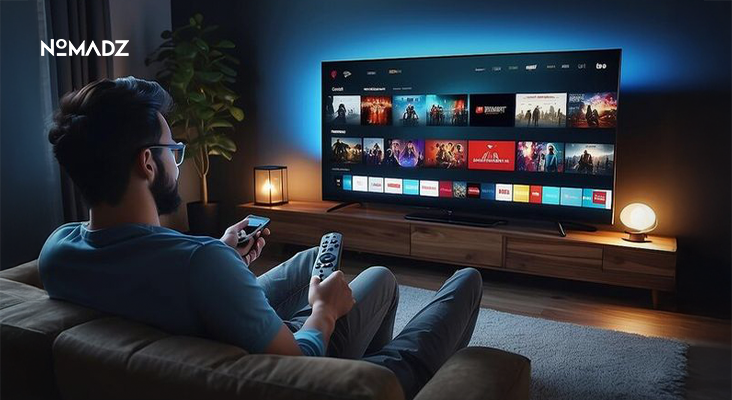
- Connected TV (CTV) Growth
More ads on streaming platforms
- Contextual Targeting
Ads based on content, not just user data
Also Read: Programmatic Advertising Examples To Bookmark Today
Is Programmatic Ad Right for You?
Short answer: yes, if done right.
It works best if:
- You want scalable campaigns
- You rely on data-driven decisions
- You’re ready to test and optimize
It may not work well if:
- You expect instant results without testing
- You don’t have clear goals or tracking
How to Get Started (Without Overcomplicating It)
If you’re new, here’s a simple roadmap:
Step 1: Define Your Goal
Awareness, leads, or sales?
Step 2: Choose the Right Platform
DSPs or managed services
Step 3: Set a Test Budget
Start small, scale later
Step 4: Launch Multiple Creatives
Test different variations
Step 5: Optimize Weekly
Focus on performance data
Conclusion
Programmatic advertising isn’t just a trend; it’s the backbone of modern digital marketing.
But here’s the key takeaway:
- It’s not about automation replacing strategy.
- It’s about an automation-enhancing strategy.
When you combine:
- Smart targeting
- Strong creatives
- Continuous optimization
…you don’t just run ads, you build campaigns that learn, adapt, and grow.
And in today’s competitive landscape, that’s exactly what you need.
Frequently Asked Questions
This ad is an automated way to buy and place digital ads using data and algorithms.
Not necessarily. You can start with small budgets and scale based on performance.
DSPs, ad exchanges, and platforms like Google Display & Video 360 support programmatic buying.
It uses automation and real-time data instead of manual ad placements.
Yes, even small businesses can benefit by starting with targeted campaigns and controlled budgets.