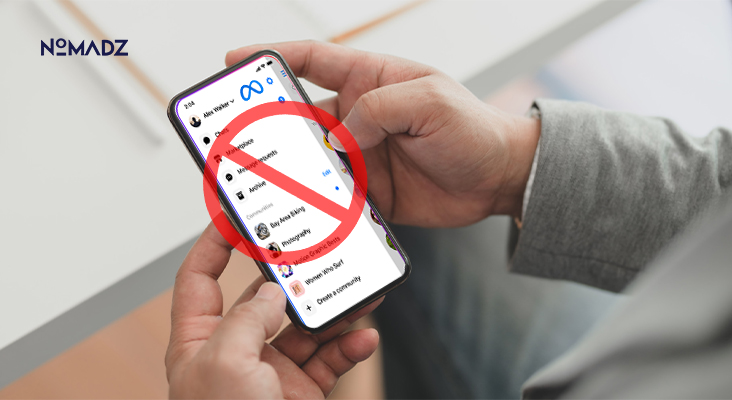
Change is coming to the way people interact in Facebook Groups. If you’ve ever used group chats linked to Facebook Groups, there’s a big update you should be aware of: Facebook is removing Community Chats. Read more about it here.
What’s Happening?
Back in 2022, Facebook introduced Community Chats (also called group chats) to let group members take part in their discussion in a chat format via Messenger. It seemed like a good idea: one of those moves to integrate group discussion more tightly with real-time messaging.
But now Facebook has decided that this feature hasn’t really caught on the way they hoped. So, Community Chats are being retired. Group admins have been notified that support for these linked chats will end, meaning they’ll soon be removed altogether.
Why It’s Being Done?
There are a few reasons behind this decision:
- Lack of interest: Many group members apparently didn’t use the chats much. Most interaction stayed on the main group discussions (posts, comments).
- Preference for keeping things in one place: People seem to prefer keeping their group discussions inside Facebook Groups themselves, rather than branching off into Messenger. Notifications going to feeds have more traction than separate chats.
- Simplifying the product: This move reduces complexity for both users and Facebook. Fewer parallel conversation channels mean fewer features to maintain and manage.
Also Read: Why Facebook Thinks the Poke Still Matters in 2025?
What does this mean for Users & Group Admins?
If you’re part of a Facebook Group, especially as an admin, here’s what you need to know:
- The group itself isn’t going away. Posts, comments, announcements, and files: those will still all function as before. Only the group chats linked to the group through Messenger will disappear.
- All the messages in those chats will be removed once the feature is retired. That means anything you’ve shared (conversations, quick replies, perhaps attachments) in those group chats could be lost.
- You may want to save/backup anything important before the shutdown happens. If there were chat threads with important details, people might need to grab screenshots or copy content over to the group feed or elsewhere.
What Users Can Do Next?
To make the transition smoother, here are some tips:
- Communicate with your group: Let members know the chats are going away. This avoids confusion when the chat feature suddenly disappears.
- Collect important content: If there were planned events, shared files, or useful threads in the community chat, make sure someone saves them before deletion.
- Redirect interactions: Encourage members to use posts/comments or other tools available in the group to maintain discussion. For smaller conversations, a separate Messenger group (not tied to the Group feature) or another tool might work better.
- Monitor alternatives: Some users are saying they’re moving to apps like WhatsApp or Discord for group chats, or creating stand-alone Messenger groups. If your community needs closer, more real-time chat, exploring these alternatives may make sense.
Bigger Picture: What It Says About Social Behavior?
The retirement of Community Chats sends a few broader signals:
- People still prefer keeping group interaction inside the original platform rather than branching out. The strongest usage trends are for posts, comments, feed interactions – less so for cross-channel chat.
- Messenger continues to remain focused mainly on direct messages and smaller groups, rather than large community discussions.
- Platforms evolve based on usage. Just because a feature seems logical doesn’t mean it becomes essential – real usage and engagement are the true test.
Will It Affect You Much?
If you’re an active group admin or a member who used Community Chats frequently, yes – it might feel like losing a shortcut. But for many, this might be barely noticeable, given that low engagement was part of the reason for the removal. All being said, discussions, community bonds, and group activity can still thrive – just using different paths.
Also Read: Unlocking Better Engagement: LinkedIn’s New Post Insights
Conclusion
With Facebook removing community chats, the goal seems clear: simplify, focus on what users actually use, and reduce overlap. If you’re part of Facebook Groups, it’s time to adjust. Grab anything you need from those chats, encourage members to shift to posts or comments, and explore alternative chat tools for real-time conversation.
Change is sometimes inconvenient: but it might lead to more clarity and more engaged communities, with fewer fragmented conversations.