In the modern content world, being high up in social media is no luxury. Regardless of whether you have an individual brand, a small business, or a startup, your audience is likely on social media. However, when it comes to organic versus paid social media, which one should you invest in as social media impacts us in our daily lives.
Come explore with us some of the key pointers of both paid and organic social media.
What is Organic Social Media?
Organic social media is what you put on your feed, stories, reels, and other features of a platform at no cost. It encompasses status updates, videos, carousels, polls, and other content that attract your followers without an advertisement investment.
Advantages of Organic Social Media
- Budget-Friendly: It does not cost anything to post, and it is ideal when you have a small store or you are a novice creator.
- Establishes Real Relationships: You get an opportunity to interact in real-time with your followers and develop loyalty.
- Uses Brand Identity: Through your organic content, you will be able to build a powerful brand voice and communicate your values.
- The quality of engagement is better: Organic followers that you find have higher chances of being interested in your brand.
Disadvantages of Organic Social Media
- Limited Reach: Social algorithms limit the number of your followers who will see your posts.
- Takes Time: It takes time and persistent work to expand your account naturally.
- Not Suitable to Win Quickly: Organic social media might not help you get sales or leads quickly.
Also Read: Best Social Media Scheduling Tool for Busy Marketers in 2025
What is Paid Social Media?
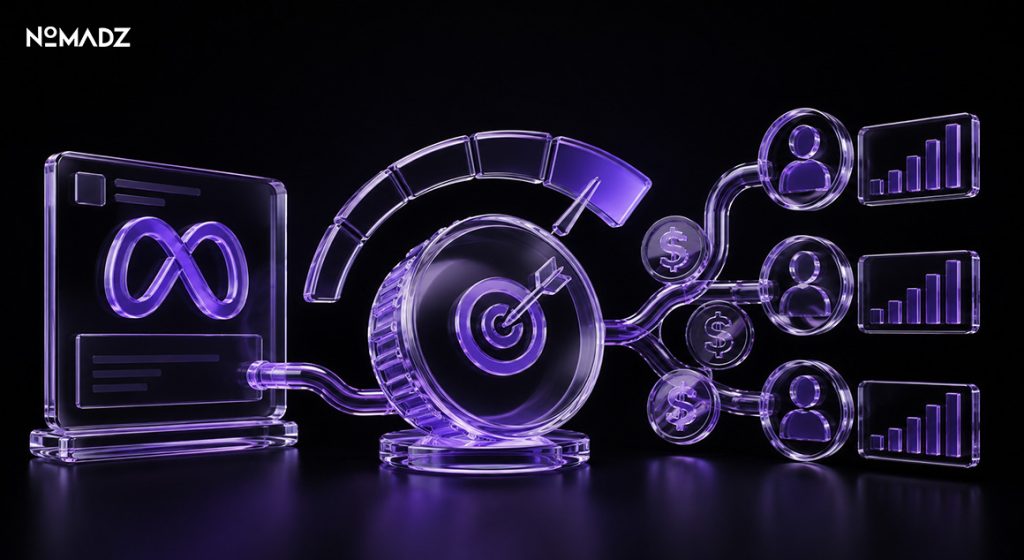
You invest money to get your content promoted to more individuals or a more specific group of individuals. It contains sponsored posts, advertising, reels, and promoted content on Instagram, Facebook, LinkedIn, and Twitter.
Pros of Paid Social Media
- Fast Results: Unlike organic, paid social media can drive immediate clicks, leads, and conversions.
- Precise Targeting: You can define who sees your ad by location, age, interest, job title, and more.
- Control & Scalability: You can scale your campaigns depending on your budget and performance.
- Supports Business Goals: Perfect for launching new products, boosting sales, or promoting an event.
Cons of Paid Social Media
- Costs Add Up: Without a strong paid media strategy, you can quickly burn through your budget.
- Ad Fatigue: Users may ignore or skip your ads if they’re repetitive or overly promotional.
- Short-Term Visibility: Once you stop spending, your visibility typically drops.
Real Example: Instagram Advertising
Let’s say you’re a fashion brand launching a new summer collection. You post high-quality images, reels, and styling tips regularly—that’s your organic content doing the brand storytelling. But for the launch week, you boost those posts using Instagram advertising to reach new users and drive traffic to your store.
Together, this combo works like a charm: your audience grows, and so do your sales.
Also Read: Social Media Trends 2025
Why You Need a Paid Media Strategy?
If you plan to invest in ads, you need a solid paid media strategy. This includes:
Clear objectives (brand awareness, conversions, etc.)
- Defined target audience
- A/B testing different creatives
- Monitoring and optimizing performance
- Budget planning
Without a strategy, you might end up spending without seeing real returns.
When to Use Organic vs Paid Social Media?
Use Organic Social Media When:
- You’re building a brand from scratch
- You want to engage followers with behind-the-scenes, tips, or storytelling
- You’re testing content ideas
Use Paid Social Media When:
- You want fast results, like website traffic or leads
- You’re launching a product or campaign
- Your organic reach has plateaued
Many businesses now rely on both—paid vs organic social isn’t an either/or anymore. It’s a smart blend.
Pro Tip: Let Your Organic Posts Guide Your Paid Ads
Test the post variations naturally before a large ad campaign. Their more popular ones that have more likes, comments, or shares can be in the form of ads. This strategy will make you promote what people already enjoy consuming.
Also Read: Social Media Content Calendar Guide with Examples and Ideas
Conclusion
Ten years ago, using organic social media alone or paid social media may have restricted your development. Organic establishes trust, whereas paid social media leads to reach and conversion. To get it straight on how social media works now, it is necessary to accept both sides of the issue, and this is because they equally result in the greatest tribute.
Whether you read about how to advertise on Instagram, make a paid media plan, or decide what to post organically pasta at this point, everything comes to balance.
Organic vs paid social media is not a competition of who is the best one. It is all about using it when and how.
FAQs
What is meant by organic social media, and how does it work?
It is what you write that is not paid to entertain followers and gain community. It builds trust; however, it requires time and consistency.
What is the difference between paid social media and organic?
Paid social media means it will reach the target audience in a short time, but organic social media relies on fan engagement as time goes by.
Do you think I can make it by using organic content only?
Yes, but not so fast. When you reach a natural ceiling of reach, combining with ads can increase the outcome.
What is the reason behind the importance of a paid media strategy?
It assists you in spending your money in the best way, reaching the intended consumers, and tracking the outcome properly.
How does social media work best for business growth?
Social media works best when you mix both organic posts for trust and paid ads for scale and visibility.