Artificial intelligence has transformed the way businesses create content, manage campaigns, and connect with audiences online. From AI-generated captions and images to automated customer support and content recommendations, AI is now a major part of social media marketing.
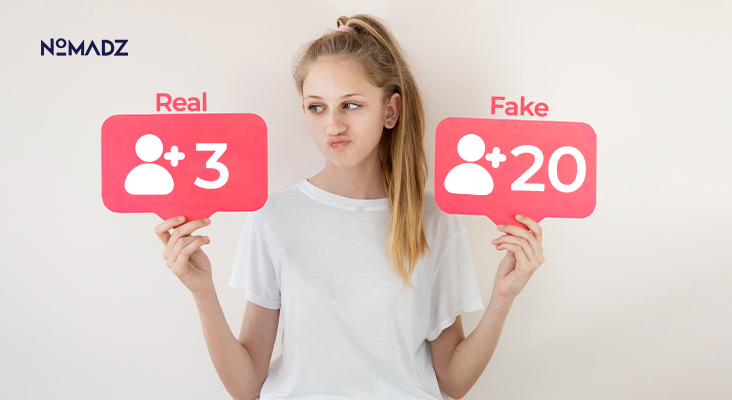
While these tools offer speed and efficiency, many users are starting to feel overwhelmed by the growing amount of AI-generated content appearing in their feeds. This phenomenon is often called “AI fatigue.” People are becoming more selective about the content they engage with and increasingly seeking authenticity, originality, and genuine human connection.
For brands, this shift presents both a challenge and an opportunity. Understanding AI fatigue can help businesses build stronger relationships with their audiences and improve the effectiveness of their social media efforts.
Understanding AI Fatigue
Is AI content fatigue setting in? AI fatigue occurs when users are exposed to large amounts of repetitive, automated, or overly polished content generated by artificial intelligence. As AI tools become more accessible, many brands are producing posts, captions, videos, and visuals that look similar.
Although AI can help increase efficiency, audience members can detect when content is generic or impersonal. When all brands begin to sound alike, users may become bored and ignore their content.
This trend is changing how businesses approach social media marketing. Brands can no longer rely solely on automation to stand out in crowded social feeds.
Why Consumers Are Seeking Authentic Content
People use social media to connect with real experiences, stories, and communities. While AI-generated content can provide information quickly, it often lacks the emotional depth that audiences value.
The modern consumer is much more interested in those brands that exude authenticity. Behind-the-scenes videos, testimonials, and other authentic content tend to work better because they seem more human.
However, it does not mean that businesses need to abandon the use of artificial intelligence completely. On the contrary, AI should enhance creativity. The best social media marketing strategy is the one that unites technology and humans.
Brands that focus on authenticity are more likely to build long-term relationships with their audiences.
How AI Fatigue Is Impacting Social Media Advertising
AI fatigue is also influencing social media advertising. Consumers are seeing more sponsored content than ever before, and many ads now use similar AI-generated designs and messaging.
For this reason, the effectiveness of traditional forms of advertising might also diminish. People will begin to pay more attention to novelty and relevance. Adverts that seem unoriginal are being disregarded by viewers, and advertising campaigns with something interesting to say tend to receive more attention.
Companies using social media as an advertising channel need to create campaigns that align with the company’s distinctive identity, rather than relying solely on automated content.
Finding the Right Balance Between AI and Human Creativity
The key to overcoming AI fatigue is balance. AI can help brands generate ideas, analyze performance, schedule content, and automate repetitive tasks. However, human creativity is still needed to develop unique messages and meaningful brand experiences.
Many companies use social media management tools and companies to help them maintain this balance. The experts leverage technology effectively whilst maintaining the authenticity and relevance of the content and message to the brand values.
A thoughtful approach to social media marketing involves using AI as a tool rather than a replacement for creativity. The brands that succeed will be those that combine efficiency with originality.
AI Fatigue and Future Lead Generation
As audiences become more selective, businesses must rethink their approach to attracting potential customers online. Some of the most effective lead generation ideas 2026 are expected to focus on community building, personalized experiences, and interactive content.
Instead of creating lots of content, brands could do better by posting fewer, higher-quality pieces. For example, live streaming, user-generated content, educational videos, and real-life conversations can be effective tools for building trust and driving engagement.
The majority of specialists agree that lead generation strategies in 2026 will rely less on automated processes and more on value-added activities. Brands that concentrate on problem-solving and relationship-building would get much better outcomes.
The Role of Social Media Marketing Companies
With the continued development of social media, many organizations are now opting to work with social media marketing firms. This helps them stay up to date with trends and develop better strategies that combine technology and authenticity.
Professional social media marketing companies understand how audience expectations are changing and can help businesses create content that feels more human and engaging.
They also help brands analyze performance, identify opportunities, and adapt quickly to shifts in consumer behavior. This expertise is becoming increasingly valuable as AI continues to reshape the digital marketing landscape.
Conclusion
Although there have been many advantages of artificial intelligence in digital marketing, there have also been disadvantages. The rise in AI-generated content has led people to crave authentic interactions.
For companies that want to succeed in social media marketing, it’s not about discarding AI technology but about using it wisely while retaining humanity. An effective social media marketing strategy that combines technology and humanity can give brands an edge in the competitive digital landscape.
The future belongs to brands that use AI to enhance their creativity, not replace it.
FAQs
No. The impact of AI fatigue may vary depending on the platform, audience demographics, and content format. Some platforms may experience stronger audience resistance to repetitive AI-generated content than others.
Small businesses can stand out by focusing on authenticity, local engagement, customer relationships, and niche expertise rather than competing solely on content volume.
No. AI-generated content will likely continue growing, but brands will need to use it more thoughtfully and combine it with human creativity.
Businesses should regularly review performance data and audience feedback, ideally monthly or quarterly, to ensure their content remains effective and relevant.
Interactive content, live videos, customer stories, user-generated content, and behind-the-scenes posts often feel more authentic and can help increase engagement.