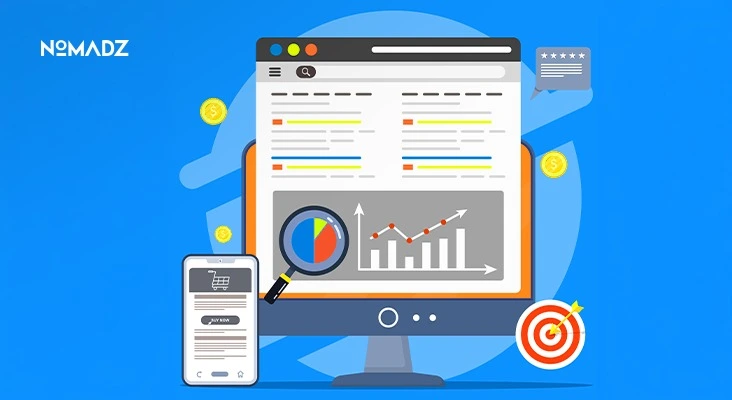
Picture the last time you scrolled an automotive branding ad online. Was it a flat banner, a stock photo with a learn more button, or a model you can’t recall? That’s the exact problem automotive marketing teams have been racing to solve. Buying a vehicle is one of the most emotional, detail-heavy purchases a consumer makes. Yet, most digital ads still treat it as a static, one-size-fits-all pitch. In contrast, rich media ads are dynamic, interactive formats.
They let shoppers explore a vehicle as they would take experience in the dealership showroom. It just omits the pushy salesperson. Let’s look at how forward-thinking dealerships and manufacturers are using rich media advertising to reshape automotive branding, and why static banners simply can’t keep up anymore.
Why Traditional Automotive Advertising is Stalling Out
For over decades, automotive advertising leaned on glossy photography, a tagline, and a call to action. This strategy worked when attention was cheap, and screens were smaller. In today’s era, shoppers don’t just observe but look for interaction. A static image can’t answer the questions that actually drive purchase decisions and address their insecurities. When an ad can’t answer those questions, the shopper simply scrolls past. Thus, that missed moment often costs the brand a lead it will never cross paths with again.
What Makes Rich Media Ads Different?
Rich media advertising goes beyond static images or plain text by incorporating video, audio, animation, and interactive elements. Instead of hoping users will click somewhere useful, it puts the experience in the spotlight.
The experience is unforgettable, and it persuades browsing customers into making a purchase. Your lead is not on any website, but looking to experience the vehicle firsthand somewhere. Check out the important marketing parameters for automotive advertising given below.
- Interactive Color and Trim Configurators: Shoppers can swap paint colors, wheel styles, or interior finishes without leaving the ad. Therefore, the passive glance turns into an active interaction. This helps buyers make instant decisions rather than getting confused.
- 360-Degree and Scrolling Galleries: Instead of a single hero shot, buyers can rotate the vehicle in rich marketing ads. They can also scroll through a dynamic gallery that highlights features at their own pace.
- Sound and Animation: A rich media banner lets users rev the engine or watch animated callouts. That creates an emotional spark no flat image can match.
- Embedded CTAs: Embedded CTAs let shoppers schedule a test drive or locate a dealer instantly. Buyers can also explore financing options without leaving the ad.
By shifting your marketing lenses towards the customers’ needs and queries, you can build rich media ads that engage people. That’s the kind of approach we bring to life in our own automotive rich media work.
Video and YouTube Marketing: The Engine Behind Engagement
Nothing sells a vehicle’s performance like watching it in motion. This is the reason videos dominate rich media ads today. A quick clip of a car taking a sharp turn does more to build desire than a paragraph of specifications. This is also a space where YouTube marketing plays an important role in automotive branding strategy.
Pairing rich media formats with YouTube marketing campaigns lets brands meet shoppers earlier in the research phase. Even before they’ve even set foot near a dealership. It also carries that same interactive experience from the video platform into display and social placements.
Personalization Automotive Marketing: The Real Advantage
Two shoppers rarely want the same thing from the same vehicle. One cares about the towing capacity & the other just about the safety ratings. Likewise, the third customer would be more concerned about the vehicle colour. Behavioral data lets automotive marketing teams personalize the shopper’s buying experience. An SUV shopper sees cargo space and family features. A performance shopper sees horsepower and handling instead. This kind of targeted storytelling is now one of the automotive industry’s trending topics. Interactive ads like these tend to outperform static advertisement formats and drive more engagement.
Automotive Industry Trends to Watch Next
Augmented reality is the next frontier worth watching if you are wondering how to create rich media ads. AR-enabled rich media ads let shoppers place a virtual model in their own space. They can walk around it and explore the interior. This all happens before ever visiting a dealership. While building an advertisement, add geo-targeted dealer locators. That shortens the gap between curiosity and a scheduled test drive. As these automotive industry trends mature, the brands that win won’t spend the most on impressions. They’ll be the ones giving shoppers a reason to stop and interact.
Putting It All Together
Automotive branding today isn’t won with a bigger billboard or a louder banner. It’s dominated by an ad that lets the shopper take the wheel, even if only for a few seconds inside their feed. Rich media ads let automotive advertising teams combine emotion, personalization, and interaction into one unit. That’s the basic expectation of today’s vehicle buyers before giving brands their attention. If your campaigns still lean on static creatives, now is your time to shift. Interactive, video-driven rich media advertising actually shows what your vehicle can do.
Frequently Asked Questions
Rich media advertising consists of interactive automotive formats such as videos, sound, 360-degree views, and so on. They let car shoppers engage directly inside the ads.
Rich Media Advertising improves automotive branding experiences by replacing generic content with personalised experiences. This builds stronger recall & trust among consumers in the long run.
Augmented Reality lets shoppers place a virtual vehicle in their driveway. Then, they can explore the interior before visiting a dealership.
Standard ads are static images with a single click feature or button. Rich media advertising adds video, sound, and interactivity into the content.
Yes, Rich Media advertisements are more expensive as it costs more to produce & design. However, it drives more engagement and better returns in comparison to static ads.