Customers today move fast. They browse on mobile. Compare on desktop. Ask questions on social media. Then buy in-store or through an app. Brands that treat these channels separately lose attention and trust. Brands that connect with them win loyalty and sales. That’s why omnichannel marketing strategies matter more than ever in 2026. These strategies help you create a smooth customer experience across every touchpoint. When customers feel understood at every step, they engage more, convert faster, and stay longer.
This blog explains how omnichannel marketing works, why it drives growth, and how you can apply it to your business with simple, practical steps.
What Is Omnichannel Marketing?
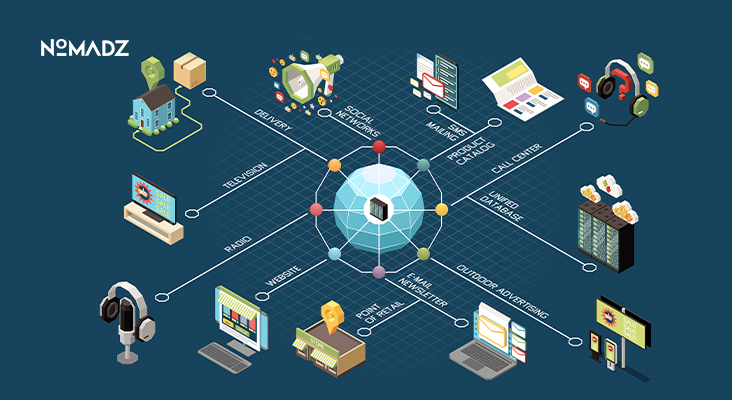
Omnichannel marketing connects all your customer touchpoints into one unified customer experience. Your website, app, email, social media, ads, and physical stores work together. Customers move between channels without friction.
For example, a customer may discover your product on Instagram, check reviews on your website, add it to the cart on mobile, and complete the purchase on desktop. Your brand recognizes them at every step. The message stays consistent. The experience feels personal.
This approach builds trust. It also removes barriers that stop people from buying.
Why Omnichannel Marketing Drives Real Growth?
Omnichannel marketing doesn’t just improve customer experience. It impacts business growth directly.
- Customers engage more when journeys feel smooth
- Conversion rates improve when users don’t face friction
- Brand recall grows with consistent messaging
- Customer loyalty increases with personalized experiences
- Data insights improve when channels connect
When you align your channels, you reduce drop-offs and increase lifetime value. This is how omnichannel marketing strategies turn into real growth engines.
Also Read: How to Use Seasonal Marketing to Boost Campaign Performance?
Omnichannel vs Multichannel: The Real Difference
Many brands use multiple channels. That alone does not make them omnichannel.
Multi-channel marketing means you use email, social, website, and stores. Each channel works on its own.
Omnichannel marketing connects these channels into one journey. Data flows between them. Messaging stays aligned. The experience stays consistent.
Here’s a quick comparison:
| Factor | Multi-Channel | Omni Channel |
| Channels used | Many | Many |
| Data connected | No | Yes |
| Customer journey | Fragmented | Seamless |
| Personalization | Limited | Strong |
| Experience | Channel-first | Customer-first |
If your brand wants growth in 2026, the omnichannel model gives you a clear edge.
Core Omnichannel Marketing Strategies That Work
You don’t need complex systems to start. Focus on these proven omnichannel marketing strategies and scale from there.
1. Map the Customer Journey
Understand how customers find you, engage, and convert. Track their path across channels. Then remove friction points.
This helps you:
- Spot drop-offs
- Improve key touchpoints
- Create smoother transitions
2. Connect Customer Data Across Platforms
Create one customer view. Link website behavior, email engagement, app usage, and purchase history. This helps you personalize offers and messages.
When data stays connected, your team makes better decisions. Your customers also feel recognized across channels.
3. Keep Brand Messaging Consistent
Your tone, visuals, and offers should feel the same everywhere. Customers notice inconsistencies. A strong brand voice builds trust.
Consistency does not mean repetition. It means clarity and alignment.
4. Personalize the Experience
Personalization drives action. Use browsing behavior, purchase history, and preferences to tailor messages.
You can personalize:
- Email content
- Website recommendations
- App notifications
- Ad creatives
Personal touches increase engagement and conversions.
Channels That Matter in Omnichannel Marketing
Not every brand needs every channel. Focus on where your audience spends time.
- Website and mobile app
- Email and SMS
- Social media platforms
- Paid ads
- Physical stores or offline touchpoints
The key is not the number of channels. The key is how well they work together.
How to Build an Omni-Channel Strategy Step by Step
You can build strong omnichannel marketing strategies with a clear process.
Step 1: Start With High-Impact Channels
Pick two or three channels where most interactions happen.
Step 2: Align Teams
Marketing, sales, and support should share goals and data.
Step 3: Create Unified Campaigns
Run campaigns that work across email, social, and website together.
Step 4: Track and Improve
Measure performance across channels. Improve weak points.
This approach keeps execution simple and scalable.
Also Read: LinkedIn Marketing vs Facebook & Instagram Marketing
Common Mistakes to Avoid
Many brands fail to see results because they repeat these mistakes:
- Treating channels in silos
- Sending mixed messages
- Ignoring mobile experience
- Overusing automation without personalization
- Not measuring cross-channel performance
Avoid these, and your omnichannel efforts stay strong.
Tools That Support Omnichannel Marketing
You don’t need dozens of tools. You need the right mix.
- CRM to store customer data
- Marketing automation to trigger messages
- Analytics tools to track journeys
- CDP to unify profiles
Use tools that integrate easily. Simple stacks outperform complex ones.
Best Practices for 2026 Growth
Here are practical tips to make your omnichannel marketing strategies work better:
- Design journeys around customer needs
- Keep the mobile experience fast and smooth
- Use personalization without overdoing it
- Test campaigns across channels
- Improve one touchpoint at a time
Small improvements across channels create big growth over time.
Conclusion
Growth in 2026 depends on how well your brand connects experiences. Customers expect smooth journeys. They reward brands that understand them across channels. By applying the right omnichannel marketing strategies, you can create better experiences, higher conversions, and stronger loyalty.
Start simple. Connect your key channels. Personalize your messaging. Then scale what works. Real growth follows clarity and consistency.
FAQs
They connect all customer touchpoints into one smooth brand experience.
Omnichannel links channels into one journey, while multi-channel keeps them separate.
Start with your website, email, and one social platform.
Yes. Even simple channel integration improves experience and conversions.
You can see engagement improvements within a few months.