If you’ve ever run online ads, you’ve probably come across the term Cost Per Click. It’s one of the most important metrics in digital advertising, yet many beginners don’t fully understand how it works or why it matters.
When you run ads, every click costs money. But not all clicks deliver value. Some lead to conversions, while others simply drain your budget. This is why understanding Cost Per Click is essential. It helps you control your ad spend, improve targeting, and get better results from your campaigns. Whether you’re a beginner or looking to improve performance, learning how CPC works can help you make smarter marketing decisions.
What Is Cost Per Click (CPC)?
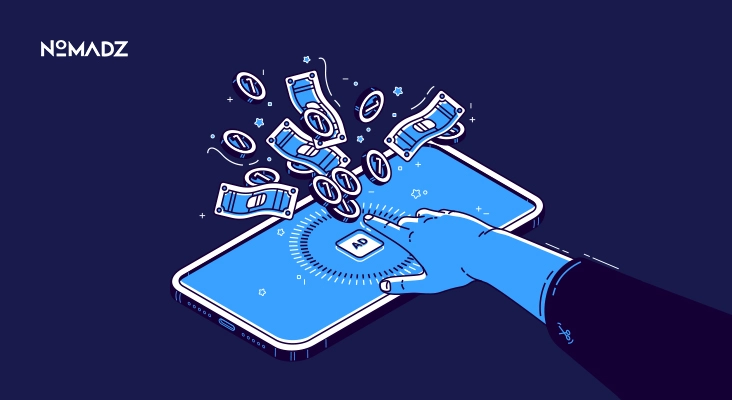
Cost Per Click (CPC) is a pricing model used in online advertising where you pay each time someone clicks on your ad.
In simple terms:
You need not pay until a user clicks on your ad, not when it appears.
This renders a type of performance-based model, as you are paying to get engagement and not merely the appearance.
Why Cost Per Click Matters?
It is worth knowing this cost, as it is directly proportional to your advertising budget and outcomes.
Key Benefits of CPC
Better Budget Control
You decide how much you want to spend per click.
Performance Tracking
You can measure how much each visitor costs.
Improved ROI
Optimizing this cost can increase your return on investment.
Scalable Campaigns
You can scale campaigns once you find profitable CPC levels.
Also Read: What Is CTR (Click-Through Rate)? How to Optimize Website for Better CTR
How Cost Per Click Works?
The CPC model is simple but involves a few key factors.
Basic Process:
- You create an ad campaign
- You choose your keywords
- You set a bid (the maximum amount you’re willing to pay per click)
- Your ad enters an auction
- If your ad wins, it gets displayed
- You pay when someone clicks
Factors That Affect Cost Per Click
Your Cost Per Click isn’t fixed. It depends on multiple factors.
Keyword Competition
High-demand keywords usually have higher CPC.
Quality Score
Search engines rank your ad based on relevance and quality.
Bid Amount
Higher bids can increase your chances of winning auctions.
Ad Relevance
More relevant ads often cost less per click.
Industry
Some industries (like finance or insurance) have higher CPC rates.
Types of Cost Per Click
Understanding different CPC types helps in better optimization.
Manual CPC
You set the bid manually for each keyword.
Enhanced CPC
The platform adjusts bids based on conversion chances.
Automated CPC
Bids are automatically managed to maximize results.
How to Calculate Cost Per Click?
The formula is simple:
CPC = Total Cost ÷ Total Clicks
Example:
If you spend ₹1000 and get 100 clicks:
CPC = ₹10 per click
Lower CPC means you’re paying less for each visitor.
How to Reduce CPC?
Lowering your Cost Per Click helps you get more clicks within the same budget.
Improve Quality Score
Better ads and landing pages reduce CPC.
Use Long-Tail Keywords
Less competition often means lower cost.
Add Negative Keywords
Avoid irrelevant traffic and save budget.
Optimize Ad Copy
Better ads improve click-through rates.
Improve Landing Pages
Higher relevance leads to better performance.
CPC vs Other Advertising Models
It’s important to understand how Cost Per Click compares with other models.
| Model | Description |
| CPC | Pay per click |
| CPM | Pay per 1000 impressions |
| CPA | Pay per conversion |
CPC focuses on engagement, while CPA focuses on results.
Common Mistakes to Avoid
Even simple mistakes can increase your Cost Per Click.
Targeting Broad Keywords
Leads to higher costs and irrelevant traffic.
Ignoring Quality Score
Poor quality increases CPC.
Weak Ad Copy
Low CTR can raise your cost.
No Negative Keywords
Wastes budget on irrelevant clicks.
Poor Landing Pages
Reduces conversion rates.
Also Read: Clicks vs Impressions in Google Search Console (GSC)
Best Practices for CPC Optimization
To get the best results from Cost Per Click, follow these tips:
Focus on Relevance
Align keywords, ads, and landing pages.
Test Regularly
Experiment with different strategies.
Track Performance
Use data to improve campaigns.
Adjust Bids
Optimize based on results.
Use Audience Targeting
Reach the right users.
Tools That Help Manage CPC
Using the right tools makes managing Cost Per Click easier.
Popular Tools:
- Google Ads
- Google Analytics
- Keyword research tools
These tools help track and optimize performance.
Benefits of Cost Per Click Advertising
When used effectively, it offers:
- Immediate visibility
- Controlled spending
- Measurable results
- Better targeting
- Scalable growth
It’s one of the most effective ways to drive traffic and conversions.
Conclusion
Understanding Cost Per Click is essential for anyone running online ads.
It helps you:
- Control your budget
- Improve campaign performance
- Maximize ROI
By focusing on relevance, optimizing regularly, and using the right strategies, you can make the most of your CPC campaigns.
Start small, track your results, and scale what works.
Frequently Asked Questions
It is the price that you pay whenever a person clicks your advertisement.
It is dependent on the competition and industry you are in.
Make it better in quality, targeting, and optimization of the ads.
CPC is concerned about clicks, and CPA is concerned about conversions.
Yes, it is beginner-friendly with a proper strategy.